












Description
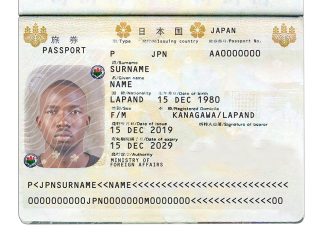
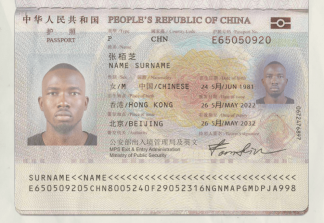
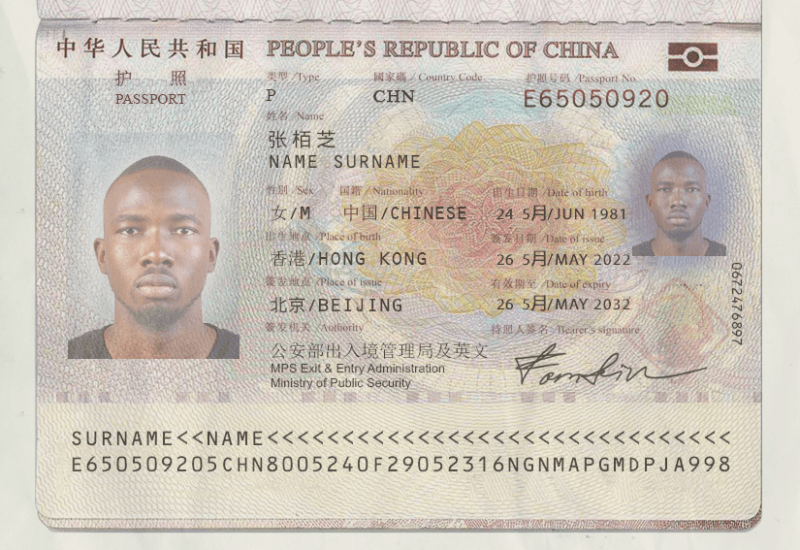
Here you can obtain template and customize a digital fake copy of Chinese Passport, by editing layers of name, surname, photo , including all the necessary elements. The template allows you to edit the passport holder’s photo, personal details, passport number, and other relevant informations. The downloable China passport template let you include a custom signature layer and other personal info, and you can get your picture optimized to be added on this digital file. You can download and edit this template and put any name, address, license number, Id number, birth date, height, weight, expire date, change photos etc.
What is included
- high quality editable template (.psd editable format)
- instructions + access to free Photoshop editor online (all template are in .psd format)
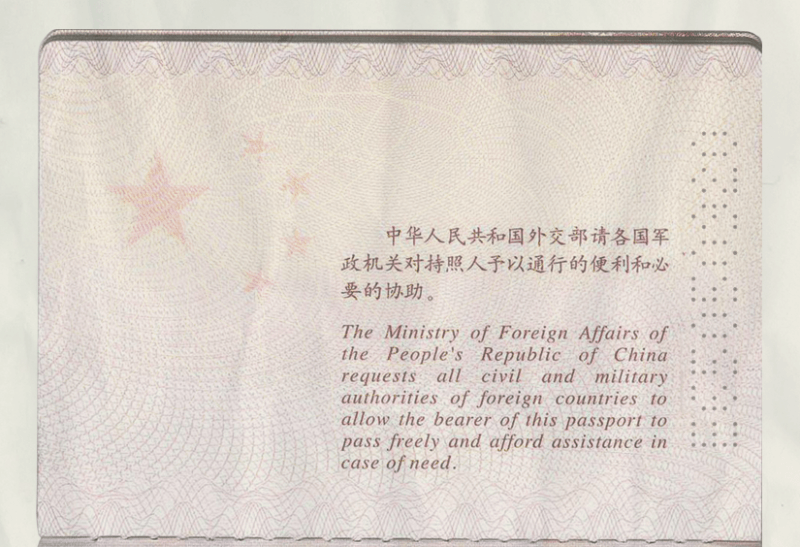
- front/relevant sides (and back side when relevant/available, check sample images available in this page)
- possibility to add or modify all text fields (such as name, surname, date of birth, date of issue, expiry date, driving license classes, restrictions, endorsements, signature, etc)
- all necessary fonts (also special fonts for signature)
- elements such as hologram, symbols, etc.
- possibility to save your document in image formats (.jpg, .png, etc.) or in PDF format
What is not included
- We do not offer any documents made of plastic (pvc).
Optional Services
- remove background from your picture (picture id optimization) --> you can send to us your picture to be optimized and we will remove background for you. Send it via Telegram. It's free and included.
Payment option
We accept a range of payment methods including Cryptocurrencies (like Bitcoin, Ethereum, Bitcoin Cash, Litecoin and other coins), but also you can paid via Credit/Debit CardsHow to edit / download final document
The editable file is in PSD format, and in addition to being of high quality, it allows it to be modified at each level (for example just click on the name field and edit it, to undo or redo changes as many times as you want, it allows you to replace the images with your personal photo, and allows you to save the final result in the most convenient format (JPG, PNG, PDF). To use it you therefore need the Adobe Photoshop software (not included), a very powerful and famous editor that allows you to generate and edit files in .psd format. Don't have Photoshop? We can help you in various ways: we can recommend a free editor, or we can upload your template to the online editor and allow you to modify it, or we can upload your file to the editor already set with the details you want, so you can easily complete it yourself, saving the final document in the format you prefer (optional service, and access to the free editor is valid for a week), with tips/instructions dedicated page.Downloading Process:
Once your payment is confirmed, we will send you email with:- download url
- instructions to finalize your desired document
- option to get customization if needed
Disclaimer
These templates are very similar to the originals, and you can use them for educational purposes, pranks, online activities, research or other permitted projects. We uphold the laws, rules, and regulations of all countries, including the USA, UK, Canada, etc. It is important to note that buying, possessing, and having a PSD template is not illegal. However, our templates are intended solely for novelty use and web illustrative purposes. They are not meant for physical use. And we cannot grant any warranty for the use you do (such for example account verification, paypal verification, etc.) It is strictly forbidden to use these templates for fraudulent activities. Therefore, it is your responsibility to use the template appropriately. By purchasing and downloading templates from our website, you agree not to employ them for any illegal purposes. Please be aware that this PSD template is not an exact replica of an authentic, state-issued document. We strongly discourage any malicious use. If you require an original PVC ID, Passport, or Driving License, please contact the appropriate legal authority, this is not the right place.How to Get a Chinese Passport: Step-by-Step Guide
A Chinese passport is more than just a travel document—it’s a crucial form of identification that connects citizens to their rights and responsibilities at home and abroad. If you’re looking to obtain a Chinese passport in 2025, the process involves following specific steps, from gathering necessary documents to applying through the appropriate authorities. With a valid passport, you’ll have the ability to travel internationally, verify your identity, and access consular services when needed. This guide will help simplify the process so you can get started with confidence.
Understanding Chinese Citizenship
If you’re aiming to secure a Chinese passport, the first step is understanding the requirements for Chinese citizenship. This includes knowing who qualifies and China’s clear stance on dual citizenship. Here’s what you need to know to navigate this foundational aspect.
Eligibility for Chinese Citizenship
Chinese citizenship is primarily governed by the Nationality Law of the People’s Republic of China (1980). The law is rooted in a principle called jus sanguinis—citizenship by descent. This means citizenship is typically passed down from parents, not based on the place of birth. Here’s a breakdown of who is eligible:
- Individuals Born to Chinese Parents If both of your parents, or even one parent, are Chinese citizens, you may qualify for Chinese nationality. This applies even if you’re born outside of China, as long as certain legal conditions are met. However, exceptions exist, such as for children born abroad whose parents have permanently settled outside China.
- Born in China Without Another Citizenship If you’re born in China to parents who are stateless or whose nationalities are unclear, you might also qualify for Chinese citizenship.
- Naturalization Foreign nationals can apply for Chinese citizenship through naturalization, but this is rare. The applicant must usually meet strict requirements, such as:
- Having a close family member who’s a Chinese citizen.
- Holding permanent residency in China.
- Providing proof of income, good character, and fluency in the Chinese language.
Special rules also exist for individuals in Hong Kong, Macau, and Taiwan, which China considers part of its territory. For instance, while residents of these regions are often treated as Chinese nationals, they follow slightly different processes for documentation and citizenship verification.
Dual Citizenship Policies in China
China has one of the strictest policies in the world regarding dual citizenship: it does not recognize it. According to Chinese law, any Chinese citizen who obtains foreign citizenship automatically loses their Chinese nationality. Here’s how this policy affects individuals:
- No Dual Status A person with dual citizenship must choose. If you aim to acquire Chinese nationality, you must renounce any other citizenship as part of the process.
- Historical and Practical Exceptions While China’s official stance is clear, in practice, de facto dual citizenship exists in special cases—mainly in places like Hong Kong or Macau. For example:
- Individuals in these regions often hold foreign citizenships while being treated as Chinese nationals within China.
- These cases reflect historical and regional complexities rather than a policy shift.
- Impacts on Overseas Chinese Many overseas Chinese or descendants born abroad can’t claim both Chinese and foreign citizenships without legal challenges. Upon returning to China, individuals with dual status may find themselves recognized only as Chinese nationals under local law.
This strict approach has implications for anyone planning to apply for a Chinese passport. Understanding these policies will help you avoid legal complications and ensure compliance.
Preparation Before Application
Before you begin the process of applying for a Chinese passport, it’s crucial to prepare thoroughly to ensure everything goes smoothly. Proper preparation can save you time and prevent avoidable rejections or delays. Let’s break this down into the most important steps.
Required Documents
Gathering the right paperwork is the foundation of any successful passport application. Missing or incorrect documents can result in your application being denied. Here’s a checklist of the most essential items you’ll need:
- Valid ID Card: A government-issued identity card (such as the Chinese Resident Identity Card) is required to verify your identity.
- Household Registration Booklet (Hukou): This document is critical, as it proves your residency in China and your familial ties.
- Recent Passport-Style Photos: Follow official photo guidelines carefully (more on this below).
- Proof of Chinese Citizenship: Documents such as a birth certificate or a previously issued Chinese passport can serve as proof.
- Old Passport (if applicable): If you’re renewing your passport, you’ll need to submit the old one.
Once you have all these documents in order, double-check that your name, birth date, and other details match across all forms. Any discrepancies might cause problems during processing.
Ensuring Photo Compliance
Did you know that improperly formatted photos are one of the most common reasons for passport rejections? It’s essential to follow the specific photo requirements set by Chinese authorities, which include:
- Size: The photo must be 33mm wide by 48mm high.
- Background: A plain white or light blue background is mandatory. Avoid patterns or shadows.
- Head Size: The head must measure between 15mm and 22mm in width and 20mm to 33mm in height within the photo.
- Attire: Wear neutral clothing, avoiding excessive accessories or head coverings unless for religious reasons.
- Photo Age: Make sure the photo is taken within the last six months and accurately reflects your current appearance.
For added assurance, it’s best to visit a professional photo studio that specializes in passport photos. They’ll ensure your photo meets the technical standards, saving you the hassle of a potential rejection.
Application Fee and Processing Time
Applying for a Chinese passport requires paying a fee, which can vary slightly depending on your location. Additionally, processing times will depend on the level of service you select. Here’s an overview:
- Regular Service: Typically takes 4-5 business days. This option is the most affordable and widely used.
- Express Service: Available in some cases, with a processing time of 2-3 business days. An additional fee is required.
- Rush Service: This option processes your application within 1 business day. It’s strictly reserved for emergencies and approval is not guaranteed.
The fees can range from 200 to 500 RMB, depending on the type of service. You can pay using accepted methods such as cash, credit card, or union pay. However, personal checks and online payments are usually not accepted, so plan accordingly.
By understanding these critical details and preparing thoroughly, you’ll set yourself up for a smooth and successful passport application experience.
The Application Process for a Chinese Passport
Applying for a Chinese passport is a straightforward process, but it requires careful preparation and attention to detail. Whether you are applying within China or from overseas, understanding the steps involved will ensure a smoother experience.
Applying Within China
If you’re applying for a Chinese passport while in China, you’ll need to visit your local Public Security Bureau (PSB) or Exit-Entry Administration office. These agencies are responsible for processing passport applications. Here’s what you can expect:
- Make an Appointment: In most areas, you’ll need to schedule an appointment online or via phone before visiting. Check your local PSB office’s website for specific instructions.
- Submit Your Documentation: Bring the required documents, which typically include:
- Your Resident Identity Card (身份证).
- Your Household Registration Booklet (户口本), known as Hukou.
- Recent passport-style photos that meet official specifications.
- A completed passport application form (available at the office or online).
- In-Person Interview: You’ll have your fingerprints and photo taken at the PSB office. Some offices may ask questions to confirm your identity and intentions for traveling.
- Pay the Fee: The standard application fee is around 200 RMB, though rates may vary slightly depending on your region.
- Processing Time: It typically takes 5-10 business days for your passport to be processed and ready for pickup. Expedited services may be available for urgent cases.
Local PSB offices are generally efficient, but it’s good practice to double-check requirements before your appointment to avoid delays.
Applying from Overseas
If you’re a Chinese citizen currently living abroad, you’ll need to apply for a Chinese passport at your nearest Chinese consulate or embassy. The process is slightly different, with additional requirements to verify your status.
- Required Documents: Be sure to prepare:
- Your current or expired Chinese passport.
- Proof of residence in the host country, such as a visa or residency permit.
- A completed application form (usually available on the consulate’s website).
- Passport-style photos conforming to official Chinese requirements.
- Proof of Chinese nationality, especially for those born abroad (e.g., parents’ Chinese citizenship documents).
- Appointment and Submission: Many consulates require an appointment for submission. You can typically book this online. Bring all your documents in person for submission.
- In-Person Verification: You will have your photo taken and may be required to answer questions about your residency and travel plans.
- Payment and Processing Time: Fees vary depending on the specific consulate, but they range from $30-$50 USD. Processing usually takes about 4-6 weeks, so plan ahead if you need the passport urgently.
Applying overseas may feel more complex, but consulate officials are trained to guide you through the steps. Be sure to contact the consulate directly with any questions.
Completing the Application Form
Accurately completing the Chinese passport application form is essential. A minor error could result in delays or even denial of your application. Here’s how to get it right:
- Use Official Forms Only: Obtain the application form from the PSB office, consulate, or their official website. Never use third-party sources that may provide outdated versions.
- Double-Check Your Personal Details: Ensure that your name, birthdate, and ID card number match your official records exactly. Mismatches are one of the leading causes of rejected applications.
- Provide a Clear Travel Reason (if required): In some cases, you may need to specify the purpose of obtaining your passport, such as travel, education, or relocation. Keep your explanation clear and concise.
- Avoid Common Mistakes:
- Messy handwriting: Forms are often rejected if they’re difficult to read. Where possible, type and print your application.
- Leaving sections blank: Avoid skipping any sections, as this can delay processing. If something is not applicable, write “N/A.”
- Improper photos: Ensure your photo meets size, background, and quality requirements.
- Signature: Don’t forget to sign the form. For children under 18, a parent or legal guardian must sign on their behalf.
Being methodical with your application form minimizes the risk of rejection and saves you from having to redo the process. Take your time, and don’t hesitate to ask for help if needed.
Special Considerations for Specific Groups
When applying for a Chinese passport, some individuals may encounter unique requirements or additional steps based on their circumstances. Whether you’re applying on behalf of a minor, dealing with a name change, or deciding between renewing an expired passport versus starting fresh, it’s essential to understand the process and gather the right documentation early. Here’s what you need to know.
Passport Application for Minors
Applying for a passport for someone under 18 comes with extra requirements to ensure proper consent and identity verification. Here is a breakdown of the necessary steps:
- Parental Consent: Both parents or legal guardians must provide a notarized and legalized consent letter. This letter should explicitly grant permission for the application and confirm who is accompanying the minor for submission.
- Birth Certificate: The minor’s birth certificate is essential to prove both the child’s identity and parental relationships. If the document was issued outside of China, it must be translated (if needed) and authenticated by the Chinese consulate in the issuing country.
- Parent Identification: Copies of both parents’ passports or government-issued IDs may be required. If one of the parents is unavailable, proof of custody or additional authorization may be requested.
- Travel Circumstances: For minors traveling with only one parent, additional documentation (like custody evidence or written permission from the absent parent) is often needed.
The goal of these steps is to ensure the child’s safety and verify all necessary permissions are in place.
Name or Identity Changes
If you’ve changed your name or undergone identity alterations, the passport application process will include additional verification steps. Here’s what to prepare:
- Official Name Change Document: If your name differs from what’s listed on previous identification or passports, you’ll need to provide an official certificate of the name change. This could include a court order, marriage certificate, or government-issued name change decree.
- Updated ID Documents: Make sure your Chinese National ID card and Hukou (household registration) reflect the updated name to avoid discrepancies.
- Proof of Continuity: In some cases, authorities may ask for documents that link your old name with your new one. This step ensures there’s no question about your identity.
These requirements are aimed at preventing inconsistencies and ensuring your legal identity is clearly documented.
Renewal Versus New Application
Wondering whether to renew your passport or start a fresh application? Here’s how to determine the right choice:
- Renewal: If your current passport has expired or is about to expire within six months, you can apply for renewal. However, the document must still be intact and show no signs of alteration or damage. You’ll need to return your old passport when applying.
- Starting Fresh: If this is your first passport or if your previous passport was lost, stolen, or severely damaged, you’ll need to complete a new application. Additional documents, like a police report for lost passports, may be required in such cases.
Keep in mind that renewal applications tend to have faster processing times. If your existing passport was issued before significant life events (e.g., marriage or name changes), you’ll need to update your information as part of the renewal process.
Understanding these nuances will save you time and ensure your application meets the requirements specific to your situation. By coming prepared, you can avoid delays and make the process smoother for everyone involved.
After Applying for Your Passport
Once your Chinese passport application has been submitted, it’s natural to feel a mix of excitement and a bit of anticipation. What happens next? This section explains how to track your application’s progress and what to do when the passport is ready for pickup, so you’ll know exactly what to expect.
Tracking Your Application Status
One of the most helpful steps after applying is keeping track of your passport’s status. In most cases, you can monitor the progress online or through local channels. Here’s how:
- Official Online Tracking: Most Public Security Bureau (PSB) offices and Chinese consulates abroad provide an online tracking tool. You’ll need basic details such as your application reference number and identification, like your passport number or ID card. Always double-check that the information you enter matches the application to avoid delays.
- Check Through Local Authorities: If you’re applying within China, local PSB offices often offer a status inquiry service. You can call or visit in person with your receipt or application reference number to ask for updates.
- Consulates for Overseas Applicants: For those applying abroad, the Chinese consulate or embassy where you submitted your application will advise you on how to track the status. Some locations use third-party application centers that also provide tracking options, usually accessible through their specific websites.
- Receive Notifications: At many locations, you can register for SMS or email updates when there’s a change in your application status. If this is available, it’s worth signing up to avoid constantly checking manually.
Pro Tip: Double-check public holidays and official schedules for the agency handling your application. These can impact processing times, especially during peak travel seasons or holidays like Chinese New Year.
Receiving and Verifying Your Passport
The day your passport is ready for pickup is an exciting milestone, but there are a few steps to follow to ensure everything is in order.
- Collection Details: When your passport is ready, you’ll either receive a notification or you can confirm the pickup date through online tracking. Be sure to bring the receipt or reference slip you received when applying. At overseas consulates, a valid ID (like your residence permit or old passport) is typically required when collecting the new document.
- Verify Your Passport Details: Before you leave the counter, take a moment to review the details on your new passport. Check these key points:
- Your Personal Information: Ensure that your full name, date of birth, and other critical data are spelled correctly.
- Passport Number: Double-check this for accuracy, as any errors can create issues when booking flights or crossing borders.
- Photo and Signature: Confirm that your passport photo matches the application you submitted and that there are no printing defects.
- Handle Errors Immediately: If you notice any mistakes on your passport, inform the issuing authority right away. Corrections can often be made, but it’s typically easier to fix issues immediately rather than returning later.
- Understand Biometric Features: Modern Chinese passports include biometric data, such as a digital photo and fingerprint information. This is embedded into a chip on the passport for global travel verification. You don’t need to test this yourself—just make sure the passport’s physical condition is flawless.
- Payment (if applicable): Some locations require you to pay any remaining balance for expedited services upon collection. Be prepared with cash or an accepted payment method, as options may vary.
Once you’ve picked up your passport and verified everything, it’s officially ready for use. Remember, keeping this document safe and secure is critical; it’s not just proof of identity, but also your ticket to travel the world.
Common Challenges and How to Overcome Them
Applying for a Chinese passport can sometimes feel overwhelming due to the specific requirements and processes involved. However, understanding common issues and their solutions can help you avoid unnecessary delays and stress. Let’s address some of the frequent challenges applicants face and how to handle them effectively.
Rejection of Application
It’s frustrating when your passport application gets rejected, but it’s often due to issues that can be easily resolved. Here are the most common causes of rejection and actionable tips to avoid them:
- Incomplete Documentation: Missing key paperwork like your Hukou (household registration booklet) or improperly formatted ID photos can lead to immediate rejection.
- Solution: Use a detailed checklist before submitting your application. Double-check that all documents match the official requirements, and don’t hesitate to visit local authorities for clarification.
- Errors in Application Form: A small mistake, like incorrect spelling of your name or mismatched dates, can cause delays.
- Solution: Take your time filling out the form, and carefully review every detail before submission. When in doubt, ask for assistance at the application center.
- Incorrect Photo Specifications: Passport photo requirements in China are strict, from size to background details.
- Solution: Visit a professional photo studio that is experienced with Chinese passport photo standards to ensure compliance.
- Eligibility Concerns: Applications can be denied if Chinese nationality isn’t properly documented or verified.
- Solution: For those with complex nationality issues, consult your local public security bureau or embassy to confirm your eligibility before applying.
If your application is rejected, don’t panic. You can reapply by addressing the identified issues or file an appeal if a genuine mistake occurred on the government’s end. Always ask for detailed feedback on why the rejection happened to avoid repeating the same errors.
Lost or Stolen Passports
Losing your passport, especially in a foreign country, is a stressful situation. However, the recovery process is manageable with the right actions. Here’s how to replace a lost or stolen Chinese passport step by step:
- Report It Immediately: If you lose your passport in China, visit the nearest Public Security Bureau (PSB) to report the loss and obtain a Certificate of Passport Loss Reporting. If overseas, contact the local police station for a similar report. This document is essential for the replacement process.
- Contact the Embassy or Consulate: Reach out to the nearest Chinese embassy or consulate to report the loss. Be prepared with:
- A copy of your lost passport (if available).
- A valid ID (like your Chinese ID card or a driver’s license).
- The police report or loss certificate.
- Apply for Replacement: Submit a replacement application at the consulate or embassy. Required documents include:
- Your Certificate of Passport Loss Reporting.
- Recent passport-style photos (following Chinese specifications).
- Completed passport application form.
- Processing Times: The replacement process typically takes two to four weeks domestically or longer when overseas. If traveling immediately is necessary, you may request an emergency travel document.
- Replace Your Visa (If Abroad): Losing a Chinese visa along with your passport means you’ll also need to apply for a replacement visa. Visit the local Entry-Exit Administration Service Center (within China) or the consulate (if abroad) to reapply. Bring your new passport and any supporting documents to prove your travel plans.
Pro Tip: Minimize future risks by keeping digital and physical copies of your passport and visa stored securely. When traveling, use a money belt or other concealed place to carry important documents.
By acting promptly and following these steps, you can reduce the hassle of replacing a lost or stolen passport and get back on track with your travels or plans.
Conclusion
Securing a Chinese passport is a process that requires thorough preparation and close attention to detail. From gathering the right documents to understanding eligibility, staying informed will make the journey easier.
Take the time to double-check requirements and ensure all materials meet the latest standards. This small step can save you significant frustration later.
Don’t hesitate to reach out to local authorities or consulates if you need assistance. They are there to guide you.
Now that you have a clear roadmap, start preparing and move forward with confidence. A well-prepared application can make all the difference. Good luck and safe travels!